AI development that starts with the problem,not the model.
Anyone can put a chat box on a page. The hard part is choosing the right problem, retrieving the right context, proving the answers are correct, and holding latency and spend at a number the business can live with. That is the work an AI development agency should be doing — and it is the work we do.
Neonic Studio builds custom AI solutions for startups and businesses: machine learning and deep learning models, generative AI and LLM applications, computer vision, document intelligence and the data engineering and MLOps underneath. Every engagement ends with a system that is live, monitored and evaluated — never a notebook.
Everything the engagement covers.
AI integration
AI wired into the product you already run and carried all the way to production — data in, model in the middle, application out, monitored once it is live. 8–16 weeks.
Generative AI & LLM applications
Retrieval-augmented generation grounded in your own content, quality measured with evals rather than assumed, latency and token spend held to a budget. 6–14 weeks.
Machine learning & deep learning
We start from the decision you are trying to make and work backwards to the model that makes it — evaluated against your metric, handed over deployable. 8–20 weeks.
Computer vision
Inspection lines, document backlogs and catalogue matching: consistent judgement at volumes people cannot hold, proven on your images and deployed where the cameras are. 8–16 weeks.
NLP & document intelligence
Contracts, tickets, claims and reports turned into an extraction, classification and search layer that behaves like a database — with people kept in the loop where the stakes are high. 6–12 weeks.
Data engineering & MLOps
The ingestion, cleaning, validation and feature pipelines that everything else sits on, plus retraining, versioning, drift detection and rollback once a model is live. 5–14 weeks.
Beautiful is expected. Fast, scalable and profitable is where we begin.
Use cases picked on value
We will tell you when the answer is no model at all. Consulting and architecture engagements (2–6 weeks) give you a straight answer on feasibility and running cost before anyone writes a training script.
Grounded, measured answers
Answers come from your own data and are scored with evaluation sets, so quality is a number you can watch rather than a feeling.
Production, not prototypes
Models are served as authenticated, versioned, containerised services your product can call in a user-facing path.
Costs you can defend
Latency and spend are budgeted like any other engineering constraint, and monitored after launch.
Our approach to building what matters.
- 01
Discover
AI use-case discovery, technical feasibility, data readiness and a build-versus-buy view.
- 02
Architect
Solution and ML system architecture, technology and model selection, agreed before the first training run.
- 03
Build & evaluate
Data pipelines, model development, evaluation against the metric we agreed and integration with your application.
- 04
Deploy & monitor
Packaging, serving, observability, drift detection and a roadmap you can fund and staff.
Chosen by the problem, not the trend.
- Python
- PyTorch
- FastAPI
- LLM APIs (OpenAI, Anthropic, open-weight models)
- Vector databases & retrieval
- Docker
- AWS
- Next.js front ends
Where this work pays for itself.
- Document extraction and search over contracts, tickets and reports
- Grounded assistants over product and support content
- Demand, risk and quality prediction models
- Visual inspection and catalogue matching
- Recommendation and personalisation
- AI features inside existing SaaS products
Projects that speak for us.
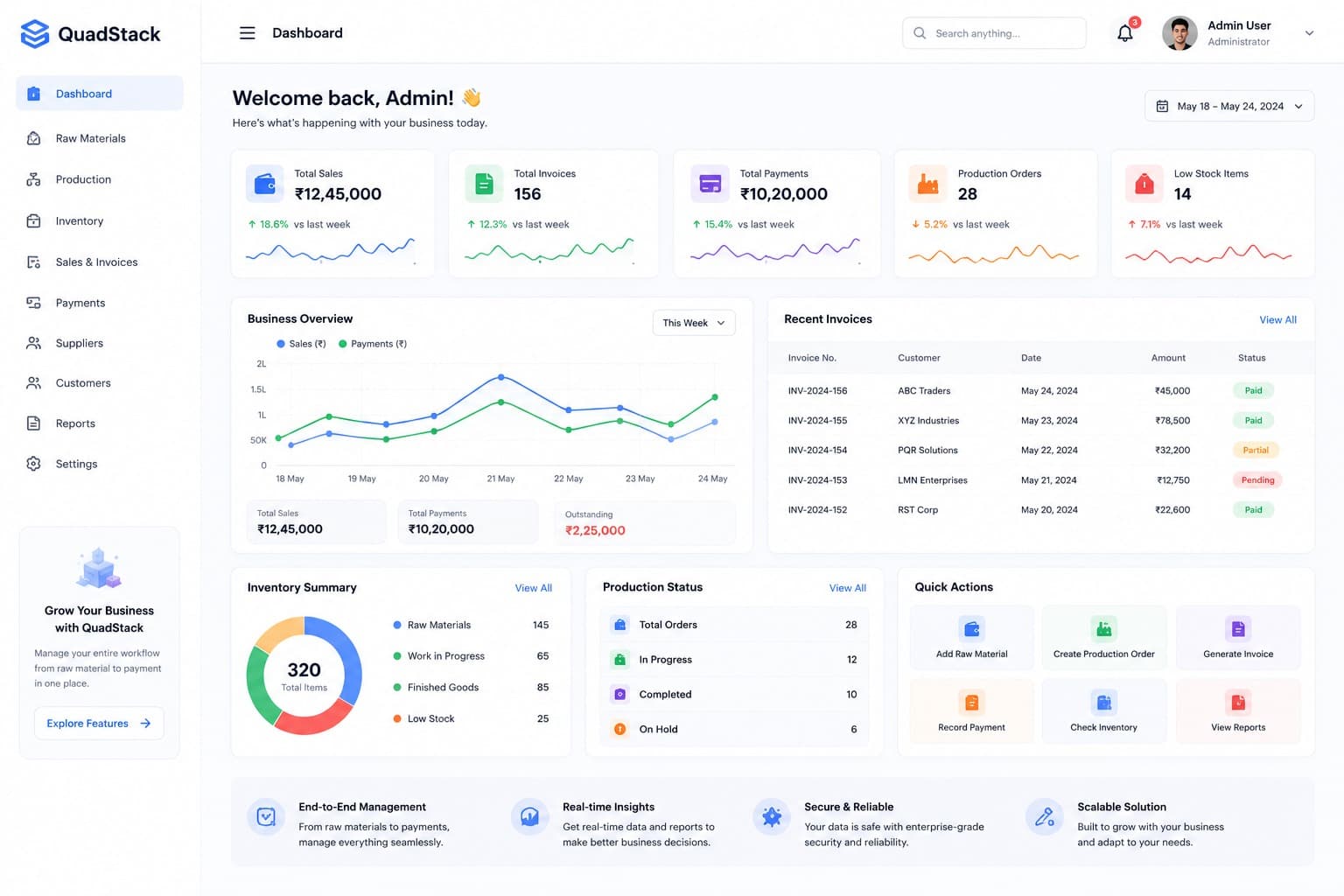
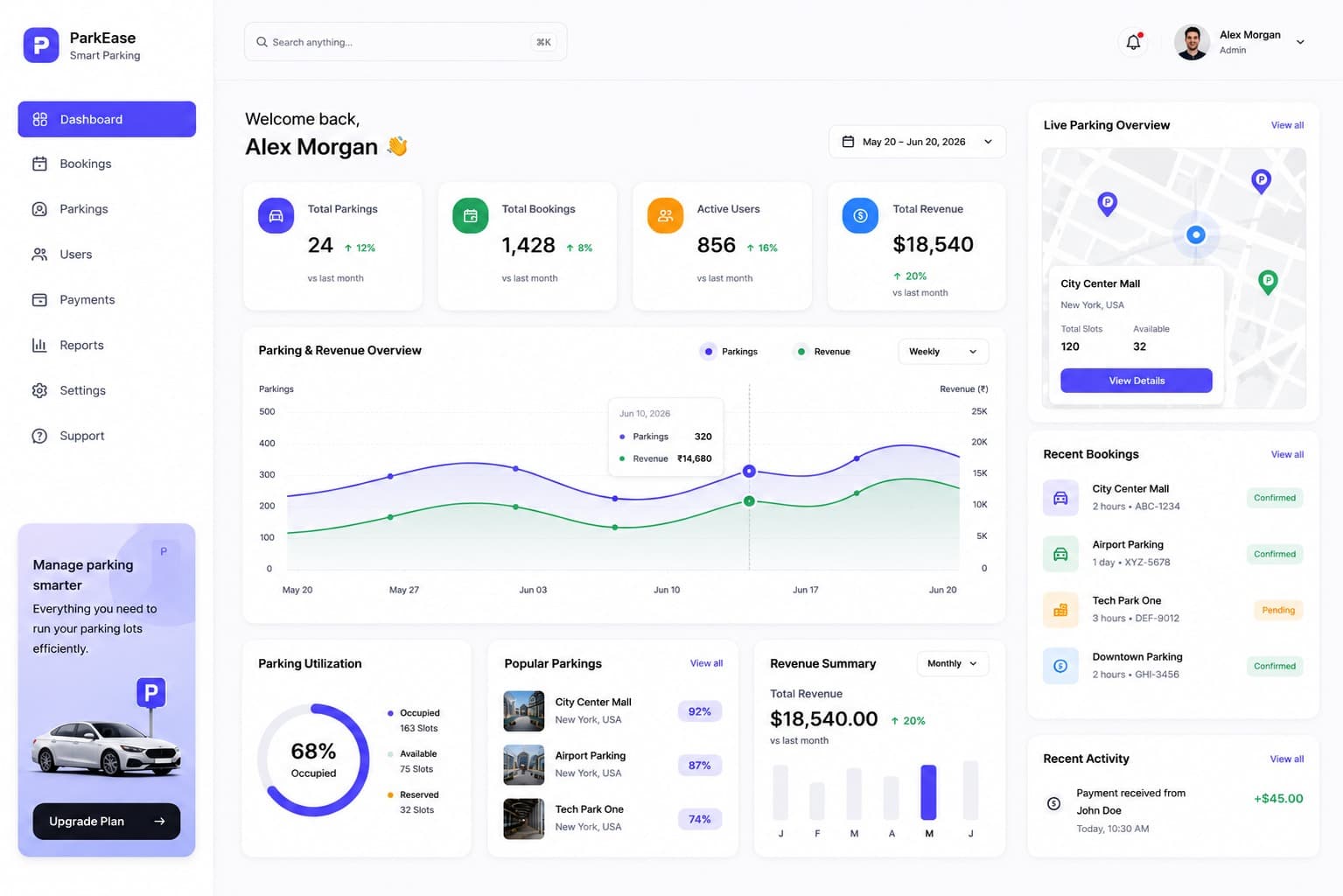
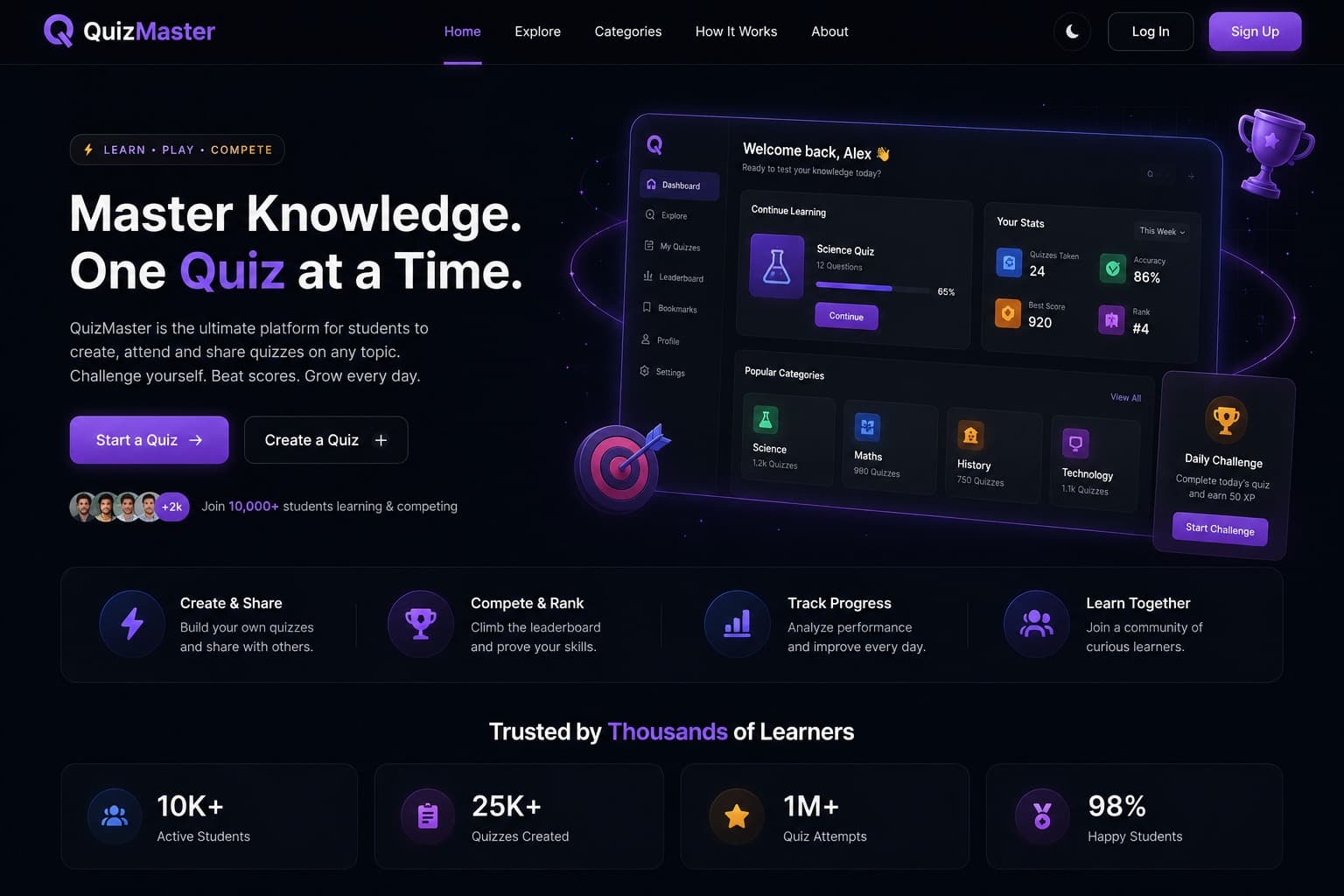
See all of our work, or ask for a full case study — we share detailed results in a scope call.
Questions we hear about ai development.
What does an AI development agency actually do?
An AI development agency designs, builds and operates AI systems for other businesses: it helps decide whether a problem is an AI problem at all, prepares the data, builds or fine-tunes the models, integrates them into a product and keeps them working in production. At Neonic Studio that covers machine learning, generative AI and LLM applications, computer vision, NLP, data engineering and MLOps.
Can you integrate AI into an existing website or application?
Yes — most of our AI work is integration into products that already exist. We wire AI into the systems and data you already run, expose it through an API your application can call, and monitor it once it is live.
Do we need a lot of data to get started?
Less than you might think. Many use cases — assistants, document extraction, classification — start from pre-trained and large language models grounded in your own content rather than from training a model from scratch. Data readiness is one of the first things we assess.
How do you measure whether the AI is any good?
With evaluation sets agreed up front: real examples with known correct answers, scored automatically and reviewed by people where the stakes are high. Quality, latency and cost are all tracked as numbers before and after launch.
How long does an AI project take?
A consulting and architecture engagement takes 2–6 weeks. Generative AI and LLM applications typically take 6–14 weeks, and end-to-end AI integration or custom model development 8–20 weeks depending on data and scope.
How is a project priced?
We do not publish rates. Every project is priced on its own requirements — the number of pages or screens, the depth of the design work, the integrations involved and the timeline you need. After a scope call you get one fixed number in writing before any work starts, not an hourly meter.
Often paired with this work.
AI wired into the workflows, documents and systems you already run — so work moves without waiting on a person.
Grounded assistants and autonomous agents that answer from your own content and take real actions.
SaaS products, dashboards, portals and marketplaces that hold up once real users and data arrive.