Interfaces people notice.Products people use.
Beautiful is expected. What separates a product people use from one they abandon is clarity: knowing where you are, what to do next and that the thing will do what it says. Our UI/UX design work is built on that — research and flows first, then a visual system with the restraint to still look current in three years.
We design for the web, for products and for brands, and because design and engineering sit at one table at Neonic Studio, what is designed is what gets built. No hand-off surprises, no "the developers changed it".
Everything the engagement covers.
Research & insights
Interviews, analytics review and competitive analysis to understand who the product is for and where it currently fails them.
Wireframes & user flows
The structure and the journeys, agreed before visual design so the argument is right before the polish.
Visual system & UI design
Typography, colour, spacing and components as a system — so every new screen looks like it belongs.
Prototypes
Clickable prototypes you can test with real users and stakeholders before production code.
Design systems & tokens
Documented components and tokens that keep design and code in step as the product grows.
Motion & interaction design
Animation used to explain, guide and reward attention — never to fill a gap where the argument should be.
Beautiful is expected. Fast, scalable and profitable is where we begin.
Clarity over decoration
Hierarchy and typography do the persuading; the interface gets out of the way.
Tested before built
Prototypes catch the expensive mistakes while they are still cheap.
Designed to be built
Systems and tokens engineered alongside the design, so implementation is faithful.
Accessible by default
Contrast, focus states, keyboard navigation and readable type sizes are part of the system, not an afterthought.
Our approach to building what matters.
- 01
Discover
Goals, audience, constraints and the current experience — what is working and what is not.
- 02
Structure
Information architecture, user flows and wireframes.
- 03
Design
Visual system, high-fidelity screens, motion studies and prototypes.
- 04
Deliver
Design system, documentation and support through build and launch.
Chosen by the problem, not the trend.
- Figma
- Framer
- Design tokens
- Prototyping and usability testing
- After Effects and GSAP for motion
- Accessibility (WCAG) tooling
Where this work pays for itself.
- Website and landing page design
- SaaS and dashboard interface design
- Mobile-first product design
- Design systems for growing products
- Redesigns of existing products
- Brand-led interactive experiences
Projects that speak for us.
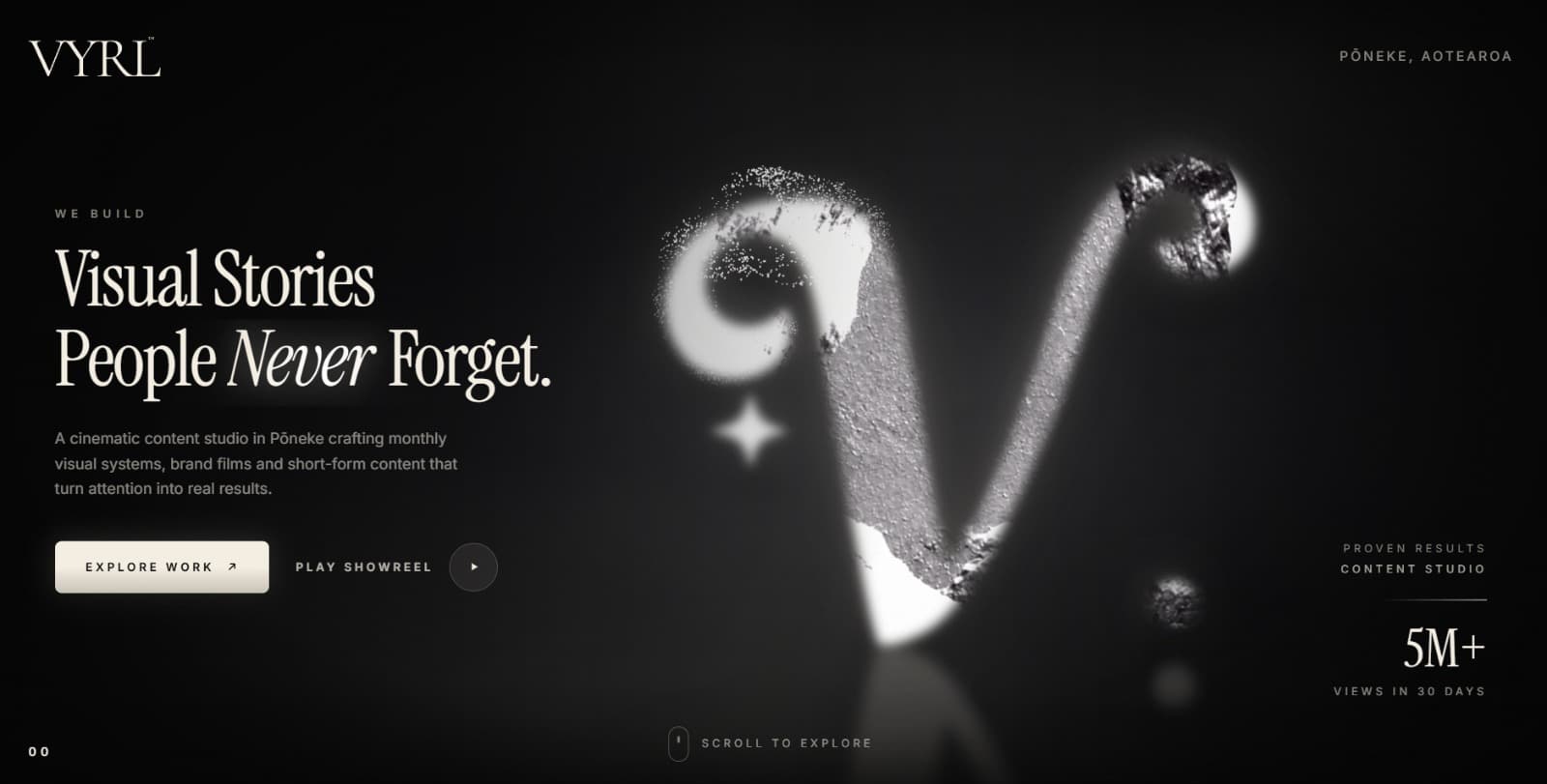
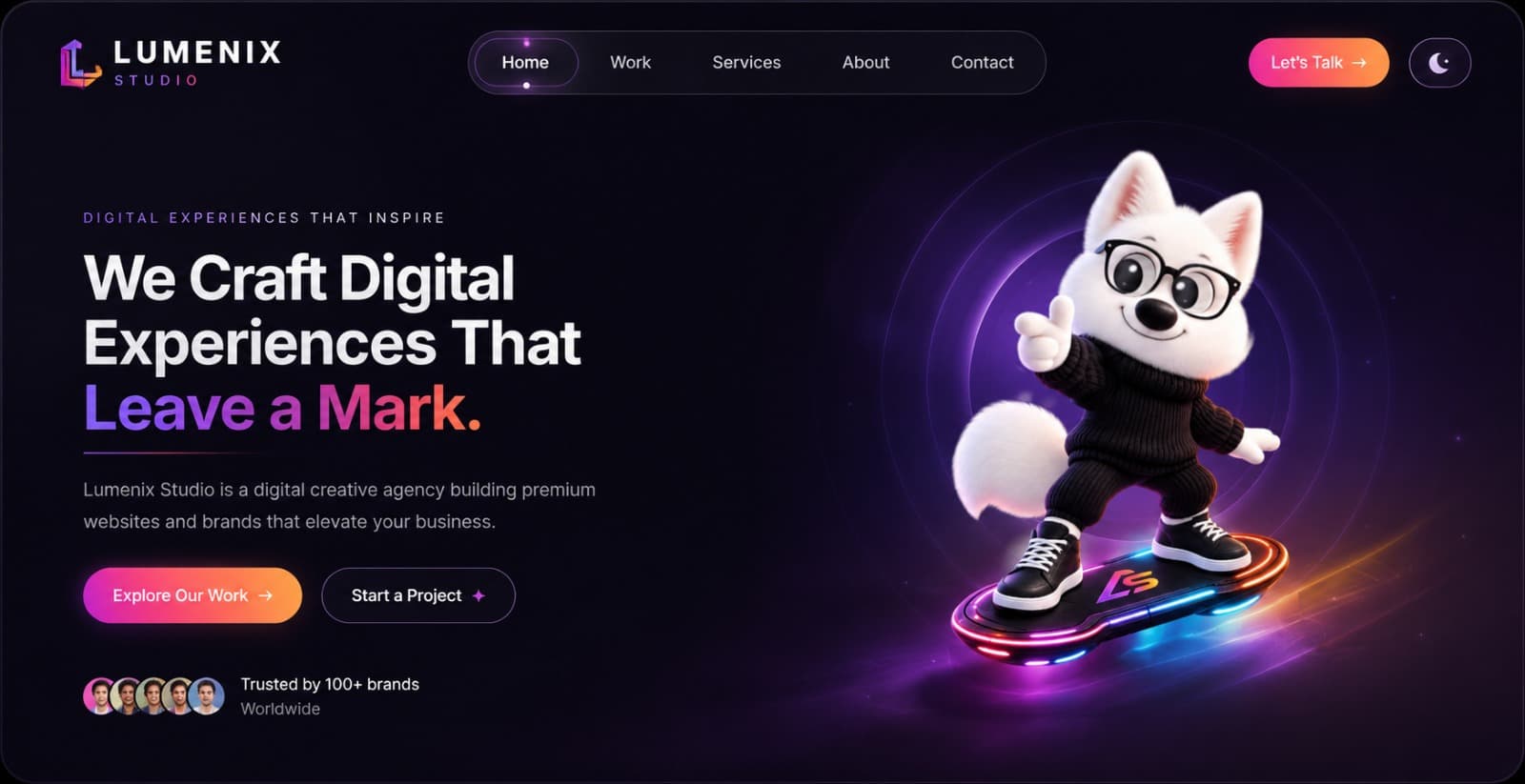
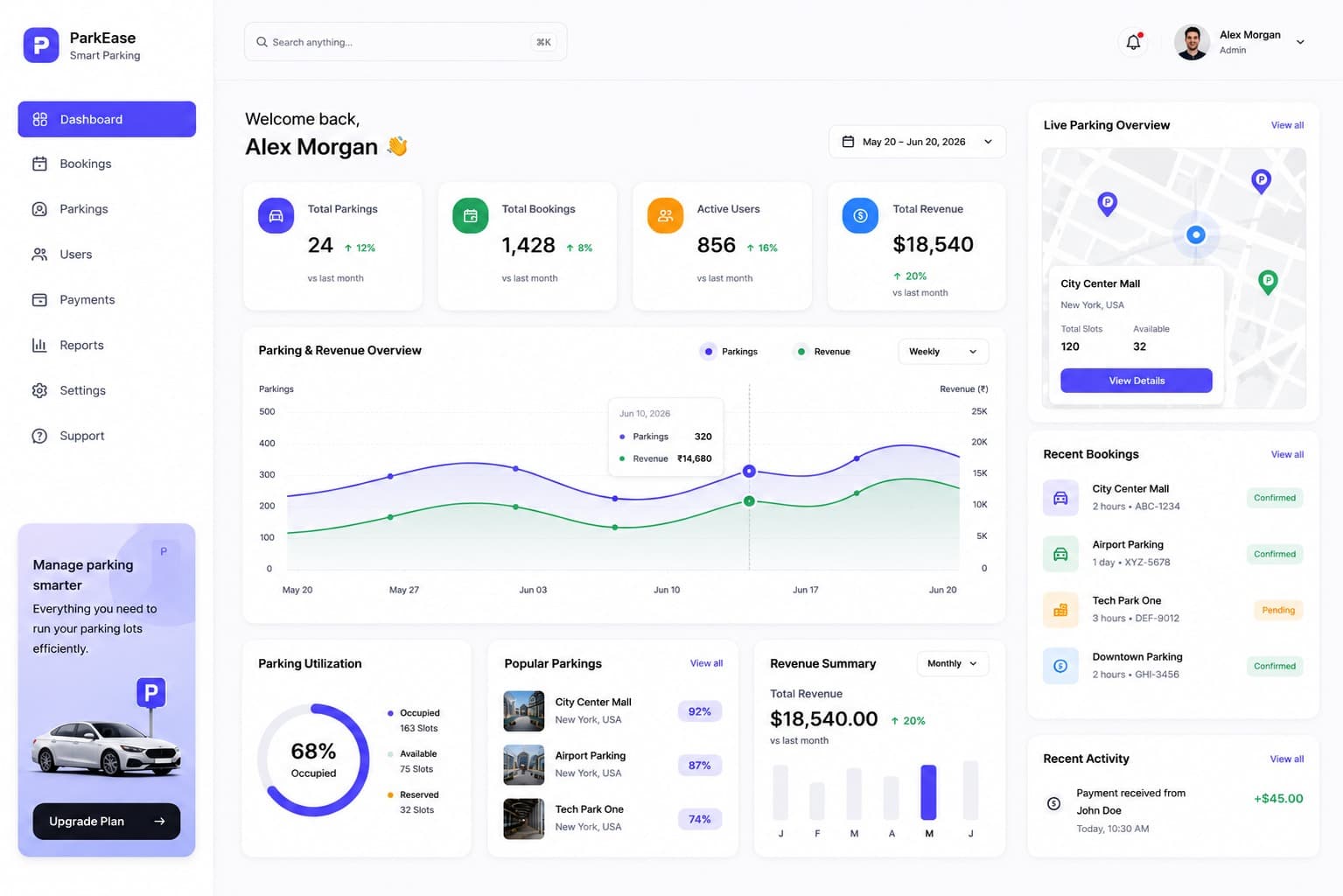
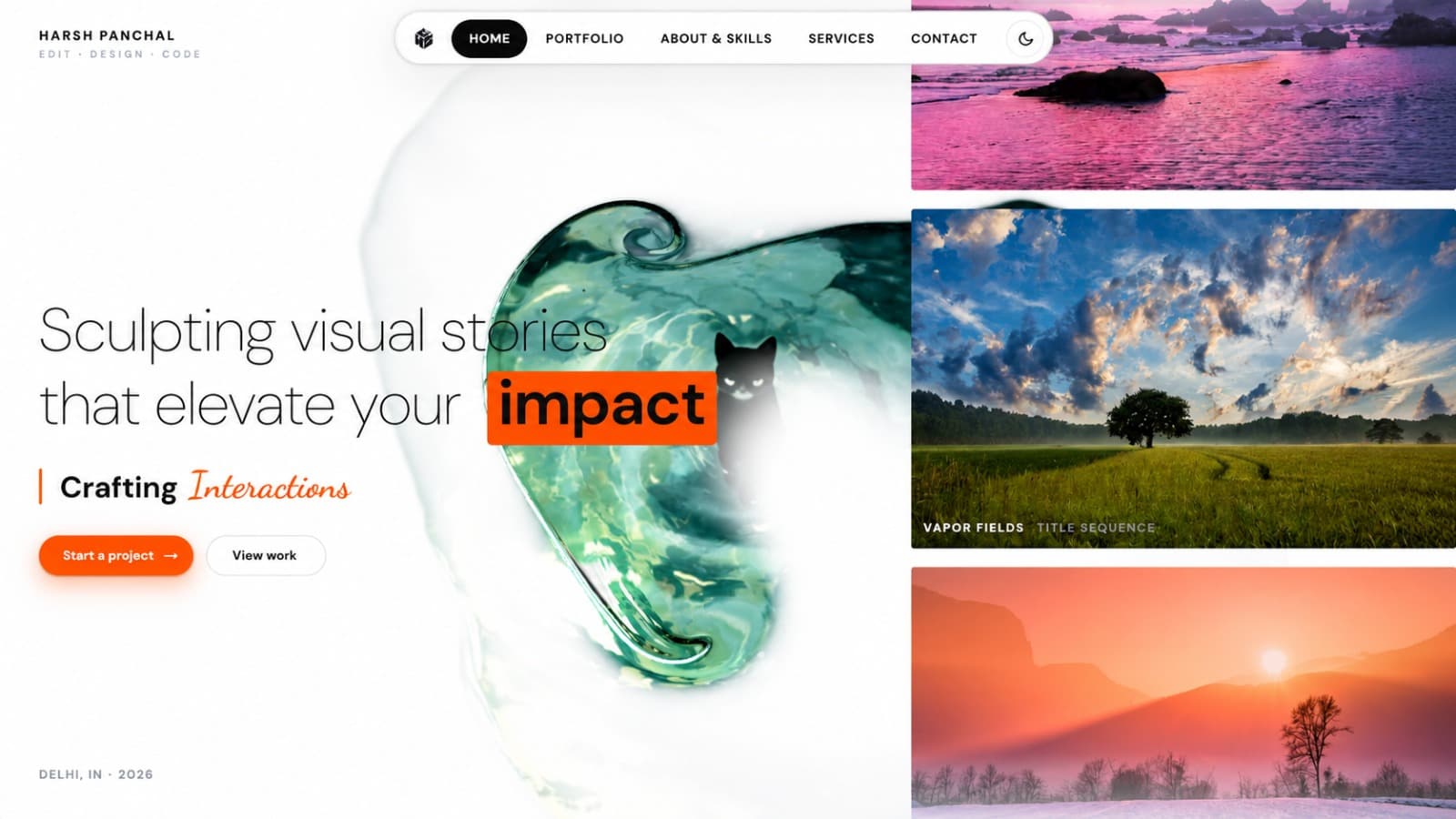
See all of our work, or ask for a full case study — we share detailed results in a scope call.
Questions we hear about ui/ux design.
Do you offer UI/UX design as a standalone service?
Yes. Some clients bring us in for research, flows and interface design that their own engineers then build. In that case we deliver a documented design system and stay available during implementation so the result is faithful.
What is the difference between UI and UX design?
UX design is the structure and behaviour of a product — the flows, hierarchy and decisions that make it usable. UI design is the visual layer — typography, colour, components and motion. We do both, in that order.
How long does a design project take?
A website design typically takes 3–5 weeks; a product or application design 4–10 weeks depending on the number of screens and the research involved. Design is often phased with the build so engineering starts before every screen is final.
Can you redesign an existing product without disrupting users?
Yes. We audit the current product, keep the patterns users already rely on, and stage changes so improvements land without retraining everyone at once.
How is a project priced?
We do not publish rates. Every project is priced on its own requirements — the number of pages or screens, the depth of the design work, the integrations involved and the timeline you need. After a scope call you get one fixed number in writing before any work starts, not an hourly meter.
Who owns the code and the design when the project is done?
You do. Everything is handed over with clean, documented code and the design files, with no lock-in. Any team can take the product forward after us — although most clients stay on a retainer for ongoing improvements.
Often paired with this work.
Brand sites, e-commerce and interactive experiences engineered to load instantly and convert.
Strategy, MVP and product engineering for founders taking an idea to its first paying users.
SaaS products, dashboards, portals and marketplaces that hold up once real users and data arrive.